

Written in collaboration with vets
- Homepage
- Discover a dog friendly world
- Dog-friendly HOMES
- Puppy Vaccination Costs in the UK: How Much & What You’ll Pay
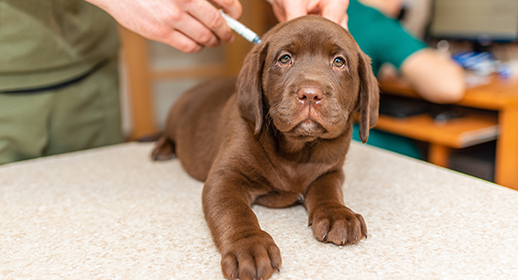
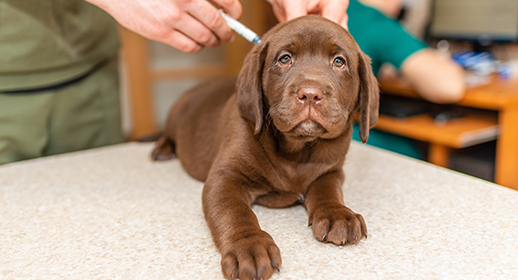
Puppy Vaccination Costs in the UK: How Much & What You’ll Pay

- Share
Puppy vaccinations are one of the first costs you’ll need to account for as a new dog owner, and are vital both for ensuring your pup’s health and keeping them compliant with certain travel rules, for example, rabies requirements. Prices can vary by clinic and region, with many practices and charities reporting that a primary course can cost from £60 up to about £160 when extras are added. This variation leads many new pet owners to ask the same question: how much are puppy vaccinations in the UK, and what does this price range cover?
In this guide, we’ll go over what these costs typically cover, why prices can vary, and the ranges you can expect to pay for essential puppy vaccinations.
Puppy vaccination costs explained
A ‘primary course’ of puppy vaccinations usually refers to two injections given a few weeks apart, along with a general health check during each visit to the vet. If you’re a new dog owner, these check-ups are often a good opportunity to get advice on dog-friendly feeding and other general care tips, like how to groom your dog at home. The cost of a primary course often bundles your consultation fee into the vaccination costs, making a two-visit package cheaper than paying for each visit separately.
The cost of puppy vaccinations varies because clinics establish their own fees, and may add non-core vaccines as extras. You’ll often see higher charges in city centres and high-rent areas, whereas charity clinics and low-cost schemes can be much cheaper.
Many vets also offer preventative health plans in monthly payments. These can spread out the cost of vaccines, as well as other treatments like worming and flea control. If you’re concerned about the cost of vaccinating your puppy, it’s best to ask your vet about low-cost plans or research charity options.
So, how much are puppy vaccinations?
- Primary vaccination course (covering core vaccines in 2 injections): Commonly £60-£110, though this can go up to £120 when extra services are included. This generally covers a brief vet check-up as well as the two injections.
- Primary course including kennel cough (bordetella): Adding a kennel cough vaccine can raise the total cost to somewhere between £80 and £160, depending on whether it’s bundled. Many practices will charge for kennel cough as an optional extra.
- Single booster (yearly): Expect to pay £25-£80 for an annual booster, with the average cost ranging from £45 to £75 across the UK. Again, clinics will charge more if kennel cough is added to the booster.
- Rabies vaccine (required for travel under pet passport rules): This isn’t included in routine vaccination courses, but may be mandatory if you’re planning to take your dog abroad, and costs around £30-£95. It’s still crucial to check vet and travel rules well ahead of any travel you have planned.
- Microchipping, travel certificates, and other paperwork: These services generally cost extra, with microchipping costs ranging from £10 to £30. Official travel paperwork, where necessary, can also carry admin fees. Be sure to check your practice pricing in advance.
What’s included in the primary vaccination course
- Core vaccines: The British Small Animals Veterinary Association (BSAVA) recommends that, in the UK, core vaccines for dogs include: Canine distemper virus (CDV), Canine adenovirus/infectious canine hepatitis (CAV), Canine parvovirus (CPV), Leptospirosis.
- Health check: Appointments usually include a short check by a vet or veterinary nurse to look for any obvious health issues.
- Vaccination record card: A written record that you’ll need to get boosters and certain travel paperwork.
- Optional extras (often with additional cost): Kennel cough, leptospirosis, or rabies/titers if required for travel.
- Consultation fee: Though many clinics will include their consultation fee in the cost of puppy vaccinations, they may list it separately.
Puppy vaccination schedule and timeline
Accurately answering the question “how much are puppy vaccinations in the UK?” also means understanding general early dog care, and the timeline for getting your pup fully vaccinated. Generally, your puppy should begin their vaccination course between 6 and 10 weeks old. The first injection will protect them from serious diseases while their immune system is still developing. Your vet will also give your puppy an overall health check-up, and confirm when they should be given their second dose.
The second vaccination will generally be 2-4 weeks after the first injection. This injection is given to strengthen your puppy’s immune response, helping their body build stronger and longer-lasting protection. Until both injections are given, vets generally recommend limiting contact with other dogs or public areas where the risk of infection might be higher.
Following the second dose, puppies generally develop the full protection they need within 7-14 days. After this time window, vets will generally say it’s safe for your puppy to begin exploring parks, meeting with other dogs, and generally enjoying their early socialisation.
The timing shared above can vary slightly depending on the vaccine brand and your puppy’s overall health. However, most UK practices follow a similar schedule. If you’re planning on early socialisation or outings, make sure to research advice on dog-friendly places and environments.
First vaccination (6–10 Weeks)
- Initial health check: The vet will listen to your puppy’s heart, take their temperature, and check their eyes, ears, and weight.
- Discussion of lifestyle: You’ll discuss feeding, exercise, and your pet’s environment at home.
- First vaccine injection: The first injection to protect against core canine diseases including Canine distemper virus (CDV), Canine adenovirus/infectious canine hepatitis (CAV), Canine parvovirus (CPV), and Leptospirosis.
- Advice for new owners: The vet may recommend parasite control treatments or tips for early socialisation.
Second vaccination (2–4 Weeks Later)
- Follow-up health check: The vet will check your puppy’s growth and general condition.
- Second vaccine injection: This strengthens your puppy’s immunity and ensures long-term protection.
- Advice on behaviour and socialisation: Many vets will advise you on options for safe puppy classes and socialisation.
- Protection timeline: Your vet will explain when it’s safe to take your puppy out in public spaces based on how the vaccines take effect.
Puppy boosters and long-term vaccination plan
Once your puppy has had all their primary vaccinations, the next phase requires keeping up protection with a series of booster vaccines. These essential treatments will affect the final figure when you’re trying to answer “how much are puppy vaccinations in the UK?” based on your unique circumstances. Most dogs will receive their first booster roughly a year after their primary course, followed by regular additional boosters based on advice from your vet.
Some vaccines will provide immunity for longer than others. Due to this, vets can adjust booster schedules depending on the vaccine type, your dog’s age, and their general lifestyle. If your dog regularly visits kennels, dog parks, or socialisation classes, they may need certain boosters on a more consistent schedule.
Booking in routine vet appointments will also help monitor your dog’s overall wellbeing. Aside from their vaccination schedule, your vet might discuss feeding, exercise, and treatments for parasite protection to support their long-term health. If you’re ever in doubt about your dog’s vaccination schedule, consult with your vet and they’ll recommend the safest timeline for their specific needs.
Factors that affect puppy vaccination costs
- Location: Clinics in large cities and high-cost areas often charge higher consultation fees for getting your necessary vaccinations.
- Type of veterinary practice: Independent clinics, national vet chains, and charity clinics can all set different pricing structures.
- Included services: Some practices will bundle health checks, records, and consultations in the vaccination package, while others will charge separately.
- Optional extras: Additional vaccines, e.g. for kennel cough or rabies, will also increase the overall cost of puppy vaccinations.
- Additional treatments: Your vet might recommend microchipping, worming, or other treatments during your appointment.
How to save on puppy vaccination costs
- Compare available veterinary clinics: Puppy vaccinations cost can vary significantly from one practice to another, even within the same area.
- Ask about puppy packages: Many vets in the UK offer bundled treatments covering vaccinations, health checks, and parasite prevention, which usually work out cheaper than getting each treatment separately.
- Consider pet health plans: Monthly payment plans can help spread the cost of vaccination and routine care.
- Research charity clinics: Some charitable organisations offer reduced-cost veterinary care, depending on your eligibility.
- Plan ahead: Researching your options ahead of time can help you avoid rushed appointments and find the best possible deal in your area.
How much are puppy vaccinations — FAQs
Is it cheaper to vaccinate a puppy at a charity or low-cost clinic?
Generally, yes! Low-cost clinics and charities like Blue Cross and the RSPCA are often a good way to reduce your puppy vaccinations cost. Organisations or community clinics sometimes provide reduced veterinary care for pet owners who meet certain criteria. Bear in mind that availability and pricing can vary by location, and these clinics may have limited appointment slots. Some reduced-price services can also prioritize pet owners who receive certain benefits.
What happens if my puppy misses a vaccination appointment?
If your puppy misses a second vaccination appointment, it’s important to contact your vet as soon as possible. In many cases, the vet can simply reschedule the appointment and complete the vaccination course. However, if too much time passes between injections, your puppy may need to restart their vaccination course from the beginning. Your vet will be able to advise on the safest option for your circumstances.
Are there side effects after puppy vaccinations?
Though most puppies tolerate their vaccinations well, mild side effects can occur. These symptoms usually appear within 24-48 hours and often resolve on their own.
Common and generally harmless reactions include:
- Tiredness and sleeping more than usual.
- Mild swelling or tenderness around the injection site.
- A short period of reduced appetite.
More serious reactions are rare, but can happen. Keep an eye out for more serious symptoms like facial swelling, vomiting, or breathing difficulty, and contact your vet straight away if you notice any of these.
adp_related_article_block144 63 YOUR DOG MAY ALSO LIKE …


 Tesco
Tesco  ASDA
ASDA  Morrisons
  Sainsburys
  Pets at Home
  Amazon
  Ocado
Ocado