

Written in collaboration with vets
- Homepage
- Discover a dog friendly world
- Dog-friendly HOMES
- Why Do Dogs Eat Grass? Causes, Safety & What It Means
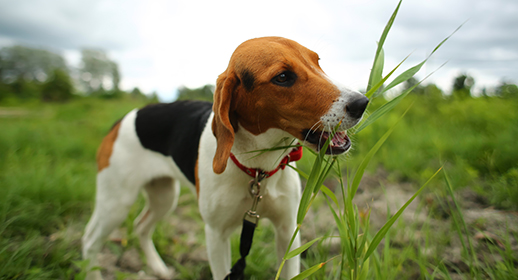
Why Do Dogs Eat Grass? Causes, Safety & What It Means

- Share
Dogs eating grass is one of those common behaviours that can make new dog owners stop and think, ‘what’s going on there?’ Some people assume that it’s to make up for fibre in their diet, others think it’s a dog’s way of dealing with an upset tummy, and some say it’s done out of pure boredom. The truth is a little more complicated.
In this guide, we’ll explain the main reasons for dogs eating grass, clear up some common myths, and highlight when grass eating could be risky and require a vet’s attention.
What does it mean when your dog eats grass?
If you’re wondering, ‘why does my dog eat grass?’, the good news is that it’s normally nothing to worry about. In a lot of cases, grass eating is a completely normal, exploratory behaviour. Dogs are omnivores and natural foragers, and a lot of them will sample plants as a normal part of sniffing and tasting. Most owners see their dog eating grass at one time or another, and the majority won’t show any signs of illness or require reactive dog care afterwards.
That said, grass eating in dogs can have several causes, and more than one at the same time. It can be brought on by your dog’s foraging instincts inherited from wild ancestors, fibre enrichment, or a simple preference for taste and texture. However, if you find yourself asking, ‘why do dogs eat grass and vomit?’ there may be more to the habit than what’s normal and natural. If your dog suddenly changes how often they eat grass, or you notice the habit being accompanied by vomiting, lethargy, or a loss of appetite, this could require more attention. If you’re concerned about these signs, make sure to consult with your vet to rule out any physical health issues.
Why does my dog eat grass? Enjoyment & natural instinct
Sometimes, the right answer to the question 'why do dogs eat grass in the UK?' is the simplest: because they like it! Many dogs find the taste and texture of grass rewarding, and puppies and young dogs can be especially fond of trying grass and other plants as they explore and learn about the world.
There’s also an evolutionary reason you might see your pooch chewing on grass. Wolves and wild dogs often consume plant material while scavenging, and eating grass could be a leftover behaviour inherited from your dog’s ancestors. In short, dogs might be eating grass simply for enjoyment, and because their anatomy and instincts allow it.
Boredom or anxiety
If dogs are low on mental and physical stimulation, they might adopt odd and repetitive habits, including grass eating. When a dog is left alone for long stretches of time, or they’re not getting enough exercise or play, they might resort to eating grass out of boredom.
Stress and anxiety can also trigger grass-eating in some dogs, similar to pacing or excessive licking. If you suspect your dog is eating grass out of stress, try to find more time for play, short training sessions, or interactive toys.
Dietary fibre or nutrient seeking
Another answer to the question 'why does my dog eat grass?' is that dogs will eat grass to add fibre or roughage to their diet. Grass does contain some fibre, which can support healthy bowel movements. However, this varies from one dog to another, and many dogs who have a balanced diet can still show a tendency to eat grass.
When you notice your dog eating grass frequently, the first thing to do is check their food has sufficient fibre and overall quality. If your dog eats Cesar, you can check out our resources on what’s in CESAR® dog food. If dietary adjustments don’t help, or your dog shows signs of gastrointestinal problems, make sure to consult with your vet for dog-friendly feeding tips before you add supplements or make any major changes to their diet.
Why do dogs eat grass and vomit?
It’s a commonly held belief that dogs eat grass to make themselves vomit when they have an upset stomach. While this might be true for some dogs, it’s not universal. Plenty of dogs eat grass without vomiting afterwards, and some of those who do would have vomited anyway.
When considering the question ‘why do dogs eat grass and vomit?’, it’s important to remember that the frequency of vomiting after eating grass determines whether or not it’s something to be worried about. If your dog eats grass, occasionally vomits, but otherwise seems healthy, then it’s probably not an emergency. Keep an eye on the frequency, and check for blood in vomit, frequent diarrhoea, or changes in your dog’s energy and appetite. These signs can all indicate more serious gastrointestinal problems, or that your dog may have eaten something toxic. Regardless of your dog’s habits around eating grass, make sure to see your vet if vomiting is frequent, constant, or more intense than usual.
How can I safely discourage my dog from eating grass?
If you want to curb your dog’s grass-eating habit, the first thing to focus on is management and redirection. If you catch your pooch grazing, try calling them away with a cheerful cue, and reward the alternative behaviour with a toy or a small treat. Being consistent is number 2 in our top 5 Dog Training Tips, and is an important method to help most dogs learn the right behaviours faster.
If it seems like your dog might be eating grass out of boredom, then try enriching their day-to-day routine with more play and exercise. Short play sessions, puzzle feeders, and safe chew toys can all be great ways to alleviate boredom and reduce grazing.
Is grass eating harmful for dogs? Risks to know
Often, asking ‘why do dogs eat grass in the UK?’ is done out of concern, but the good news is it’s normally nothing to worry about. For the majority of dogs, occasionally eating grass is low-risk, and the only real hazards are what might be in or on the grass. Herbicides, pesticides, and fertilisers can all be toxic to dogs, and require the same caution as foods dogs should avoid.
Certain grass varieties are rougher than others and can run the risk of irritating your dog’s throat or stomach. In extreme cases, eating large amounts of grass can also lead to intestinal blockage. Consistent vomiting right after eating grass can also be a sign of a chronic gastrointestinal disease or parasites. If your dog is showing ongoing tummy problems, sudden weight loss, or behavioural change, make sure to consult with your vet and rule out medical issues.
Dogs who spend a lot of time outdoors may also face increased exposure to hazards like contaminated water and lawn treatments. Make sure to avoid letting your dog graze in areas you know have been recently treated with chemicals, and wash their paws when you come home. If you suspect your dog has ingested a harmful substance, contact your vet or an emergency clinic immediately.
How to address & reduce grass eating
There are many things you can do to address grass eating in your dog and help them drop the habit.
One effective practice is to increase enrichment and physical activity in your dog’s routine. Most dogs who eat grass out of boredom can benefit from 20-30 minutes of walking or focused play, plus shorter bursts of playtime throughout the day. Mental stimulation is also important to redirect their behaviour. Scent games, puzzle feeders, and short training sessions can all give your dog an outlet for their attention.
Another effective approach is to apply consistent redirection and reward-based training. Teach your dog a reliable recall and ‘leave it’ cue. When you notice your dog going for grass, clearly tell them to ‘leave it’, move them away from the grass, and reward them with a small treat and praise.
Next, check your pooch’s diet and environment. This starts with confirming that your dog’s food is balanced (like Cesar complete dog food, for example!) and appropriate for their age and level of activity. If you think there may be nutritional gaps, consult with your vet, as they may recommend diet adjustments or introducing supplements. One of the benefits of wet dog food, for example, is that it can be easier to digest for dogs with sensitive stomachs.
Wondering 'why do dogs eat grass in the UK?' is something many pet owners experience, as grass eating is a common and mostly harmless dog behaviour. However, it’s still important to watch for context and take action when grazing becomes a problem. With the right routine and supervision, most grass eating in dogs can be easily managed while keeping your dog happy and healthy.
Why do dogs eat grass — FAQs
Do dogs eat grass to settle their stomachs?
Sometimes, but not always. Some dogs can eat grass in response to a tummy upset, which can occasionally lead to vomiting. However, the majority of dogs can eat grass and remain perfectly healthy. If you notice that your dog’s grass eating is followed by repeated vomiting, diarrhoea, appetite changes or other symptoms, make sure to consult with your vet to rule out health concerns.
Should I stop my dog from eating grass?
If your dog is otherwise healthy, then occasional grass eating is generally harmless, and many dogs will simply enjoy the taste and texture when they’re exploring outdoors. However, it’s best to gently discourage the habit if it becomes excessive, or when the grass may contain pesticides, fertilisers, or other toxic substances.
Can eating grass be a sign of worms or illness?
It can be, but this is rare. Some dogs who are suffering from their tummy being upset, parasites, and other health issues might react with unusual eating habits like eating grass. Keep an eye out for additional signs such as sudden weight loss, diarrhoea, bloating, vomiting, or lethargy. If any of these symptoms appear soon after you notice your dog eating grass, consult with your vet for a medical checkup and advice.
Why does my dog only eat grass on walks?
Getting out and about introduces your dog to all kinds of new smells, textures, and other stimulation. All of this can make eating grass more appealing, especially for puppies and younger dogs. If your dog only eats grass on walks, they may just be exploring their environment through taste and scent. Keeping your dog engaged with movement, training cues, and short play sessions can help divert their attention and reduce grass eating.
adp_related_article_block390 272 YOUR DOG MAY ALSO LIKE …


 Tesco
Tesco  ASDA
ASDA  Morrisons
  Sainsburys
  Pets at Home
  Amazon
  Ocado
Ocado